


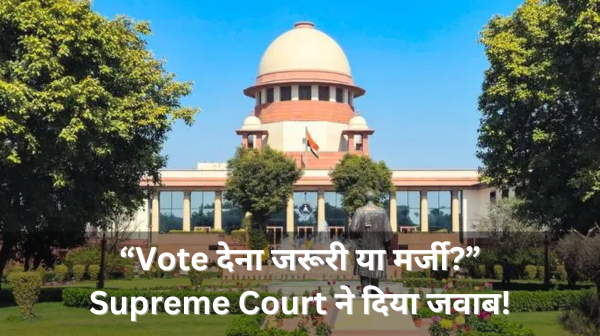
New Delhi, In a decisive move with significant implications for digital liberties, the Supreme Court of India today declared access to the internet a fundamental right, embedded within the constitutional guarantees of freedom of speech and expression (Article 19(1)(a)) and the right to practice any profession, trade, or business (Article 19(1)(g)). The unanimous judgment by a five-judge constitutional bench, led by Chief Justice of India DY Chandrachud, addressed petitions challenging prolonged internet shutdowns, emphasizing that any such restrictions must adhere strictly to the principles of necessity and proportionality.
The apex court underscored the pivotal role of the internet in contemporary life, asserting it as an indispensable tool for exercising fundamental freedoms and participating in the nation’s socio-economic framework. “In an increasingly digital age, the internet has become crucial for citizens to exercise their rights and engage with the world,” Chief Justice Chandrachud stated. “Restricting access to it directly impacts these fundamental freedoms.”
The judgment acknowledges the state’s legitimate concerns regarding national security and public order, permitting temporary internet restrictions under specific, justifiable circumstances. However, it establishes stringent safeguards:
- Necessity and Proportionality: Any internet shutdown order must be the least restrictive measure required to achieve a legitimate objective. The impact on fundamental rights must be carefully balanced against the intended outcome.
- Temporal Limits and Judicial Review: Shutdown orders must be temporary and subject to regular review. Mechanisms for judicial oversight are essential to prevent abuse of power.
- Transparent Procedures: The court mandated the establishment of clear and publicly accessible procedures for ordering internet shutdowns, ensuring accountability and predictability.
This landmark ruling is poised to significantly alter the landscape of internet governance in India. Previously, regions often faced extended and comprehensive internet bans, disrupting daily life, hindering economic activity, and impeding access to vital information. Critics have long argued that these blanket shutdowns disproportionately affected vulnerable populations and stifled dissent.
Digital rights advocates and petitioners have hailed the Supreme Court’s verdict as a crucial step towards safeguarding digital freedoms. “This judgment is a powerful affirmation of the fundamental importance of internet access in a democratic society,” said Dr. Anushka Sharma, a legal expert specializing in technology law and a senior fellow at the Digital Liberties Institute. “It sets a clear precedent against arbitrary and prolonged shutdowns, reinforcing the digital rights of every Indian.”
The ruling also implicitly underscores the urgency of addressing the digital divide and ensuring equitable access to the internet for all citizens. By recognizing it as a fundamental right, the court highlights the state’s responsibility in fostering digital inclusion.
Legal analysts anticipate this judgment will serve as a guiding principle in future cases concerning digital rights and freedoms, aligning India with the global recognition of internet access as essential for human rights and development. The Supreme Court’s clear articulation of this right marks a significant advancement in protecting civil liberties in the digital age, promoting a more balanced and rights-respecting approach to internet governance.







Leave a Reply