


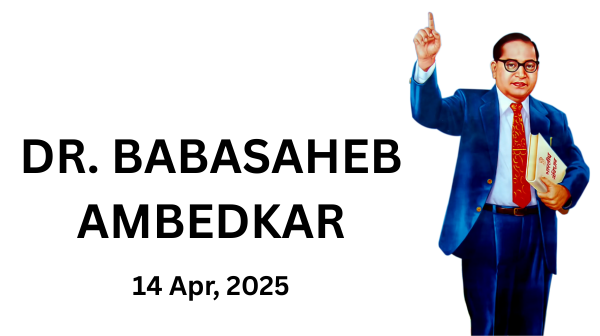

Ambedkar Jayanti, observed annually on April 14th, transcends a mere commemoration of a birthdate. It’s a potent reminder of the enduring legacy of Dr. Bhimrao Ramji Ambedkar (1891-1956), a transformative figure whose intellectual prowess and unwavering commitment to social justice continue to shape the fabric of modern India. Born into the marginalized Dalit community in Mhow, Madhya Pradesh, Ambedkar’s life was a testament to the power of resilience and the pursuit of knowledge in the face of systemic oppression. His journey from facing untouchability to becoming the principal architect of the Indian Constitution is an inspiring narrative of struggle and triumph.
While his role in drafting the Constitution remains his most widely recognized achievement, Ambedkar’s vision extended far beyond the legal framework. He was a multifaceted thinker who critically analyzed the socio-economic and political structures that perpetuated inequality. His contributions offer profound insights that remain remarkably relevant in addressing the challenges of contemporary India.
The Unfinished Revolution: Ambedkar’s Enduring Relevance
Ambedkar understood that legal equality, while crucial, was only the first step towards genuine social justice. He recognized the deep-rooted nature of caste discrimination and the need for a comprehensive societal transformation. His advocacy for the abolition of untouchability, enshrined in Article 17 of the Constitution, was a landmark achievement. However, he was acutely aware that changing laws alone wouldn’t eradicate deeply ingrained prejudices and practices.
His vision encompassed:
- Economic Empowerment as Liberation: Ambedkar recognized the intrinsic link between economic dependence and social vulnerability. He championed land reforms, advocated for industrialization to provide opportunities beyond traditional caste-based occupations, and played a key role in the establishment of institutions like the Reserve Bank of India, demonstrating his understanding of the economic levers necessary for social upliftment. His insights into the need for equitable distribution of resources and opportunities remain critical in addressing the persistent economic disparities in India today.
- Education as the Catalyst for Change: For Ambedkar, education was not merely about acquiring degrees; it was a tool for critical thinking, self-awareness, and empowerment. His famous call to “Educate, Agitate, Organise” underscored the importance of intellectual awakening as a prerequisite for social action. In an era of rapid technological change and evolving societal norms, his emphasis on education as a means of breaking cycles of disadvantage is more pertinent than ever.
- The Urgency of Intersectionality: While his primary focus was on caste, Ambedkar also understood the interconnectedness of various forms of oppression. His advocacy for women’s rights, evident in his efforts with the Hindu Code Bill, and his concern for the welfare of labor highlight his awareness of how different forms of marginalization intersect and reinforce each other. This understanding is crucial in addressing the complex social justice issues of our time.
- Beyond Symbolic Representation: Ambedkar’s political activism aimed at securing meaningful representation and power for marginalized communities. He understood that mere symbolic inclusion without genuine agency would not lead to substantive change. His struggles for separate electorates (though later modified) stemmed from his conviction that Dalits needed independent political power to safeguard their interests. This emphasis on genuine participation and leadership from marginalized communities continues to be a vital aspect of building a truly inclusive democracy.
Ambedkar Jayanti: A Call to Contemporary Action
Today, as India celebrates Ambedkar Jayanti, it’s crucial to move beyond simply commemorating the past. It’s an opportunity to critically examine the progress made and the significant challenges that still persist in realizing Ambedkar’s vision of a truly egalitarian society. Issues of caste discrimination, economic inequality, gender injustice, and social exclusion remain realities for many.
Ambedkar’s life and work serve as a powerful reminder that the pursuit of social justice is an ongoing process. His emphasis on education, economic empowerment, political participation, and the dismantling of discriminatory structures provides a roadmap for contemporary action. This Ambedkar Jayanti, let us not only remember the architect of our Constitution but also recommit ourselves to the unfinished revolution – the creation of a society where liberty, equality, fraternity, and justice are not just enshrined in law but are lived realities for every citizen.







Leave a Reply